
Menu Planning for January 2013
Plan for January Holidays:
• January 1st – New Year’s Day
• January 3rd – Fruitcake Toss Day
• January 21st – Martin Luther King Jr. Birthday
• National Soup Month
Plan Ahead for February:
Full Moon February 7th: called the Snow Moon or the Hunger Moon.
• February 2nd – Groundhog Day
• February 3rd – Super Bowl
• February 10th – Chinese New Year – Year of the Snake commences
• February 12th – Fat Tuesday (Mardi Gras)
• February 13th – Ash Wednesday
• February 14th – St. Valentine’s Day
• February 18th – President’s Day celebrated
• February 23rd – Purim begins (1 day)
• National Grapefruit Month
• Black History Month
New Year’s Eve is a Monday night this year, New Year’s Day is a Tuesday.
In January – citrus season is in full production, hothouse rhubarb begins and baby
artichokes should peek through at the end of the month…
Winter officially began on December 22nd, despite the incremental lengthening of each day we are smack dab in the middle of the darkest part of the year. There are some bright spots to remind us that flavor is available all around us – just not as readily available.
January is the month that hothouse rhubarb returns to the market to seduce us with rich, tart and ever-soslightly sweet temptations. Baby artichokes should begin to reappear at the Farmer’s market after their brief mid-winter gap and the larger chokes should be available but perhaps will be marketed as ‘frost-kissed’. The hardy chicories and greens that provide our winter fiber and minerals are abundant and delicious. Winter squashes continue to provide beta-carotene to help us stay healthy through the next few months.
The biggest challenges with winter produce are weather and transportation. Most produce comes from California, Florida or what we call ‘off-shore’ – from Mexico, South and Central America. The added time required for shipping makes planning difficult and patience truly becomes a virtue. Another problematic factor to monitor is the weather, not only in harvest regions, but also in locales where trucks and planes are required to transport to – sunshine in California but snow in Montana or Wyoming often makes for a late – and over-chilled – delivery. Because there are such small harvest geographies in the winter, a regional frost can wipe out and impact the price of an entire crop of lettuce or citrus. Menus should be written with flexibility and orders should be placed knowing that markets and prices can change with a single storm front.
Think about writing menus in a way that’s a little more open to variations on the item: winter squashes taste very similar; cooking greens can all be prepared with similar methods and results; root vegetable medleys are wonderful additions to most menus while keeping a lower cost base. The ‘soft’ herbs are generally less accessible too – expect to pay premiums for basil, tarragon, chervil and chives – because of their high water content and delicate structures, they are susceptible to frost and cold damage. The winter-hearty herbs are rosemary, thyme and some of the sages – known as the ‘hard’ herbs. Use roasted tomatoes for an added depth of flavor and citrus juices can brighten up the earthy flavors that are available. Radishes make a wonderful addition to salads and spinach can be used with pears, roasted chanterelles and hedgehog mushrooms to create a delicious seasonal salad course.
During Chinese New Year (January 23rd), serving a whole chicken symbolizes family togetherness. Noodles represent a long life; (an old superstition says that it’s bad luck to cut them); clams and Spring Rolls symbolize wealth. Tangerines and oranges are freely shared during Chinese New Year as the words for tangerine and orange sound like luck and wealth, respectively. And Pomelos signify abundance, as the Chinese word for pomelo sounds like the word meaning “to have”. On Chinese New Year’s Eve it is customary to serve a fish at the end of the evening meal, symbolizing a wish for abundance in the coming year. For added symbolism, the fish is served whole, with head and tail attached, symbolizing a good beginning and ending for the coming year.
Remember that the items in BOLD will prove to usually be better values as they are in their peak harvest or storage period.
Apples – Braeburn
Apples – Fuji
Apples – Gala
Apples – Lady
Apricots – Chile
Artichokes
Asparagus
Avocados – Calif.
Avocados – Imports
Baby Carrots w/ Tops
Baby Mixed Root Vegetables
Baby Squash
Bananas
Beans – Dragon
Beans – French
Beans – Purple Wax
Beans – Yellow Wax
Beets
Belgian Endive
Broccoli – Cheddar
Broccoli – Purple
Broccoli – Romanesque
Broccoli Rabe
Broccolini
Brussels Sprouts
Cabbage
Cactus Leaves
Cantaloupe – Off Shore
Cardoon
Cauliflower
Celery
Cherries – Chile
Chicory – Castelfranco
Chicory – Frisee
Chicory – Puntarella
Chicory – Treviso
Citrus – Bergamot orange
Citrus – Buddha’s Hand
Citrus – Cara Cara
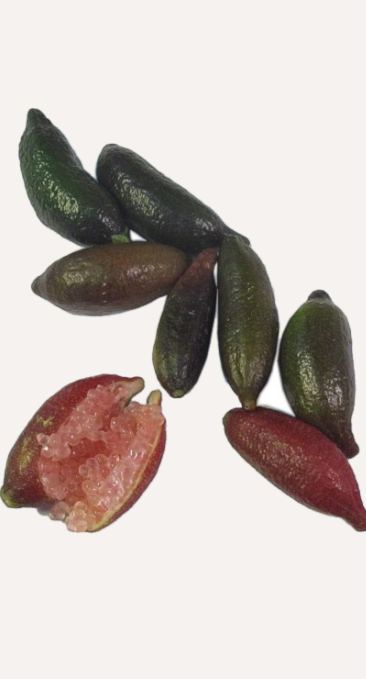
Citrus – Finger Lime
Citrus – Kumquats
Citrus – Mandarin
Citrus – Meyer Lemon
Citrus – Pommelo
Citrus – Satsuma
Citrus – Seville Oranges
Citrus – Tangelo
Cranberries
Eggplant
Endive – Belgian
Grapefruit
Grapes – Chile
Green Beans
Greens – Beet
Greens – Kale
Honeydew – Off Shore
Kiwi
Leeks
Lettuce-Baby (all)
Lettuce-Spring Mix
Mangoes – Brazil
Mushrooms – Chanterelle
Nectarines – Chile
Onions – Spring Sweet
Oranges – Navel
Papaya
Parsnips
Peaches – Chile
Pears
Peas
Persimmons – ending
Pineapple
Plums – Chile
Potatoes – Sweet
Potatoes – Red
Potatoes – Yukon Gold
Radicchio
Radishes – Black
Radishes – Daikon
Radishes – Icicle
Radishes – Watermelon
Rhubarb – hothouse
Root – Burdock
Root – Celery
Root – Horseradish
Root – Lotus
Root – Parsley
Root – Taro
Root – Yucca
Rutabagas
Shallots
Snow Peas
Spinach
Spinach-Baby
Squash – Acorn
Squash – Butternut
Squash – Carnival
Squash – Delicata
Squash – Kabocha
Star Fruit
Strawberries – Calif. new
Sugar Snap Peas
Sun-dried Tomatoes
Turnips